
Why telemetry alone is not enough to understand modern systems
Modern infrastructure is not failing randomly.
It just looks that way.
Because most teams are trying to understand systems they cannot fully see.
Monitoring dashboards are full. Alerts are firing. Metrics are collected. Logs are stored.
Yet when an incident happens, the first challenge is rarely fixing the issue.
It is understanding it.
What actually broke?
What else is affected?
Where should we start?
This gap between signals and understanding is where most of the operational cost accumulates.
Telemetry Only Shows What You Instrumented
Observability stacks rely on telemetry.
Metrics, logs, traces.
But telemetry has a structural limitation:
it only captures what you explicitly instrument.
Everything else remains outside the picture.
A legacy service still handling a small portion of traffic
A cron job no one maintained after a team change
An unexpected dependency between two services
A cross-region call increasing latency and cost
These are not edge cases.
They are normal characteristics of real-world systems.
And they are often invisible.
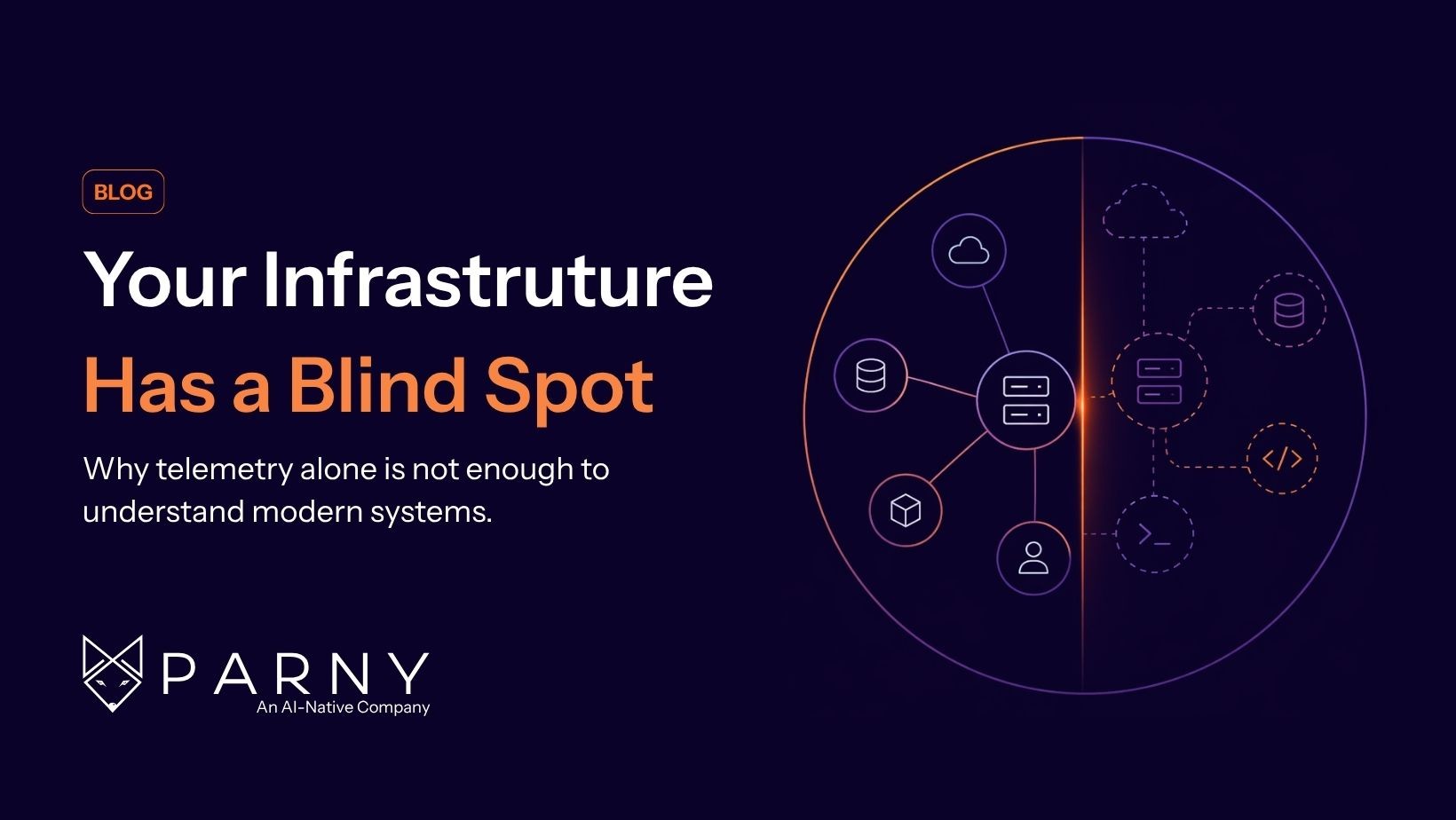
The Hidden Layer of Your Infrastructure
In most production environments, there is always a portion of the system that is not fully documented, tracked, or understood.
We call this the hidden layer.
It consists of services, dependencies, and communication paths that exist in reality
but are missing from your observability model.
This is why incidents feel unpredictable.
Not because systems are chaotic
but because your model of the system is incomplete.
The Real Problem Is Not Resolution. It Is Understanding.
Engineering teams are highly capable of fixing issues.
What slows them down is not lack of skill or tools.
It is lack of context.
Before you can act, you need to answer:
What is the root cause?
What is the blast radius?
Which services are actually involved?
What changed?
Without a complete view of the system, every incident starts with exploration.
And exploration takes time.
From Signals to System-Level Understanding
To reduce this gap, you need more than telemetry.
You need a continuously updated understanding of how your system actually runs.
Not how it was designed.
Not how it is documented.
But how it behaves in real time.
This means:
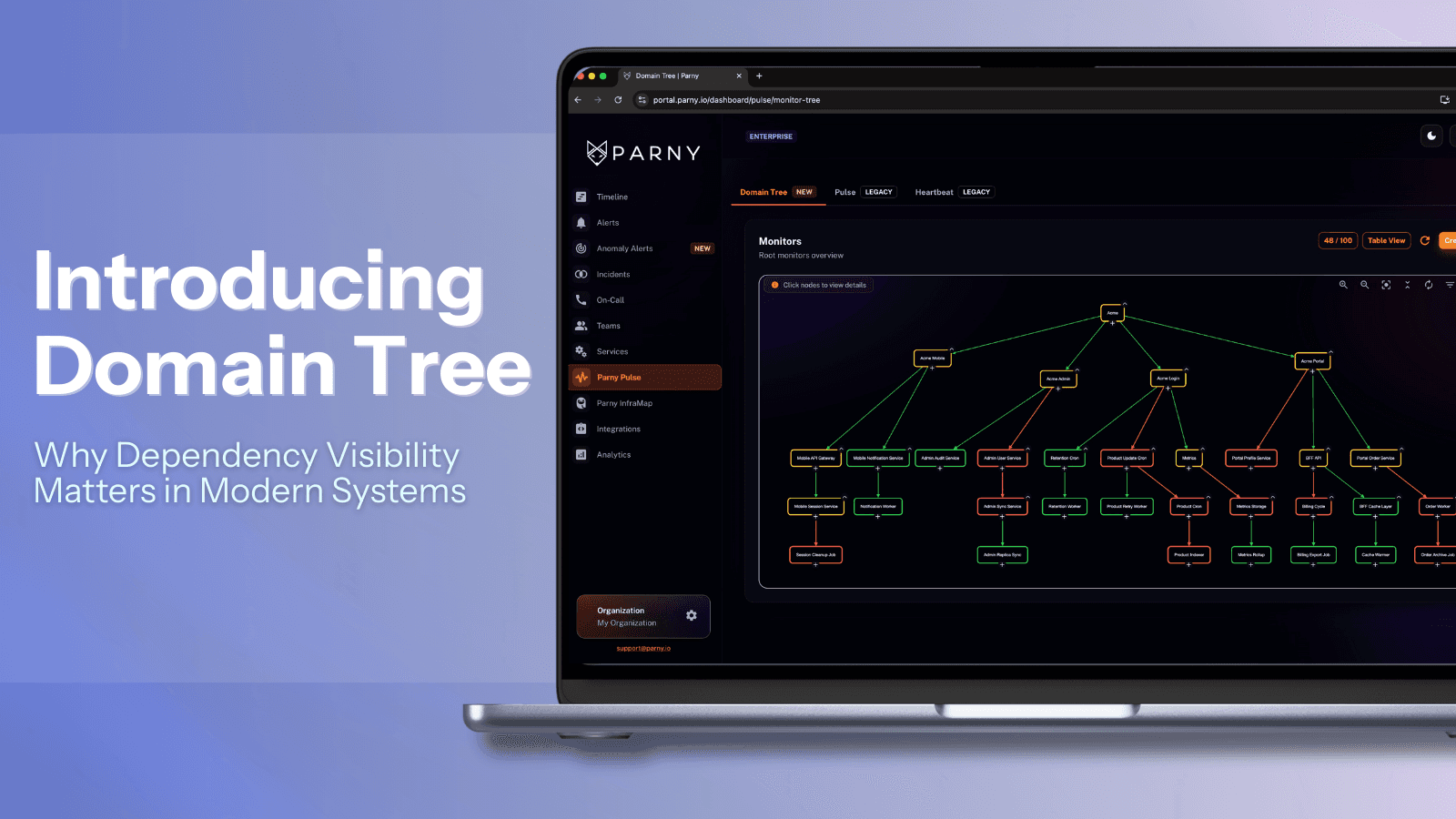
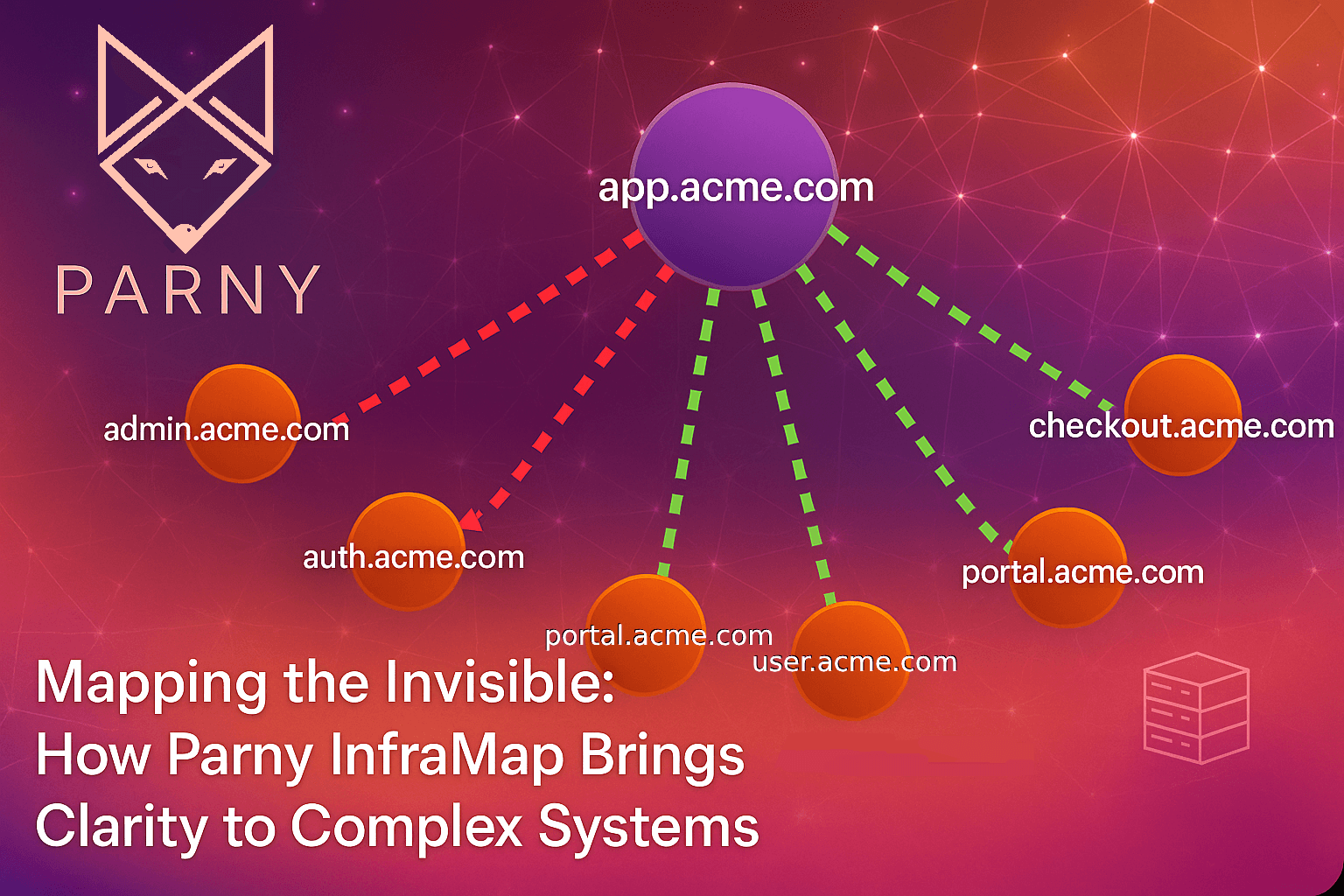
Mapping services and dependencies dynamically
Understanding communication between components
Detecting relationships beyond predefined instrumentation
Only then can signals become meaningful.
How Parny Approaches the Problem
Parny is built around a simple idea:
You cannot fix what you do not understand.
Instead of relying only on telemetry, Parny builds a real-time model of your infrastructure
by observing how services interact.
It maps:
Services
Dependencies
Communication paths
System structure
So when an incident happens, you are not starting from scattered signals.
You get:
Root cause
Impacted services
System-level context
Recommended next steps
All within seconds.
Understanding Before Action
Most tools optimize for faster response.
But speed without understanding leads to guesswork.
The real leverage comes from reducing the time it takes to understand what is happening.
That is the difference between reacting to alerts
and operating with clarity.
Conclusion
Modern infrastructure is not just complex.
It is partially invisible.
Telemetry gives you signals.
But signals alone are not enough.
To operate reliably, you need to see the system behind the signals.
That is where the difference is mad